


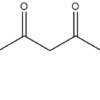
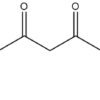
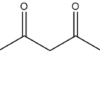
Curcuminoids are found in turmeric, a popular spice and herbal supplement that is a member of the ginger family, Zingiberaceae. Curcuminoids are natural polyphenolic compounds derived from the rhizome of Curcuma longa. Structurally, they are diarylheptanoids, specifically diferuloylmethanes, composed of two ferulic acid moieties linked by a seven-carbon chain. This configuration contributes to its vibrant yellow color and broad spectrum of biological activities.
Curcuminoids are associated with the anti-inflammatory properties of turmeric, including symptom management in arthritis, and osteoarthritis. In biological systems, curcumin exhibits anti-inflammatory, antioxidant, and chemopreventive properties. It modulates multiple molecular targets, including NF-κB, COX-2, and iNOS, and inhibits histone acetyltransferase activity, contributing to its role in epigenetic regulation.